






A good rule of thumb for anyone who owns a car would be: if something feels off while driving, note what’s causing the strange feeling; perhaps there’s too much pressure at the rear, causing the wheels to spin; perhaps one side has lost responsiveness because friction hasn’t been applied evenly across its surface, etc.
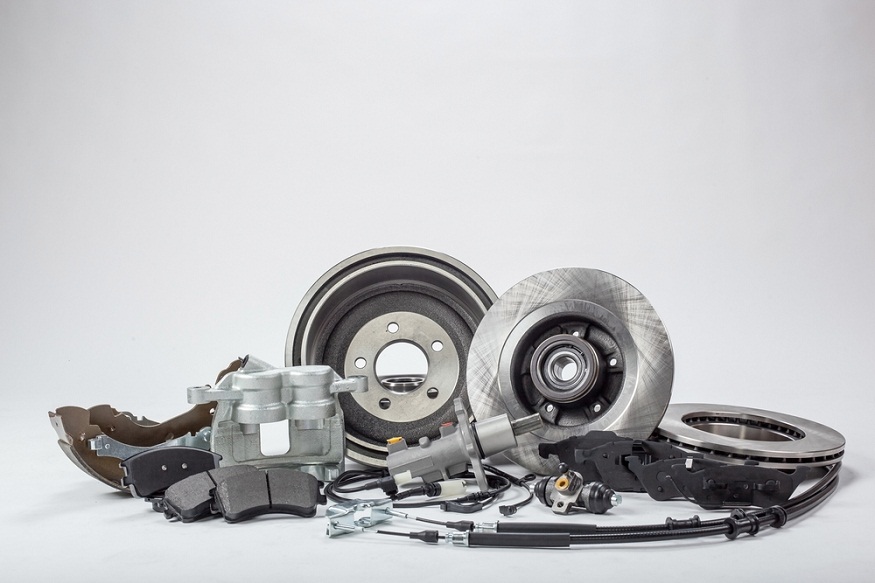
To ensure safe and reliable driving, have your brakes checked regularly. Your mechanic will be able to troubleshoot any issues with your spark plugs or brake fluid. They’ll ensure everything is working properly for a fun ride!
The professional should also check that the car is not overheating, diagnose any transmission problems, and assess any other risks you may face on the road. While some repairs are easy to perform, such as changing the oil, any other replacements should only be carried out by an experienced mechanic.
7 DIY Auto Repair Tasks You Shouldn’t Do
1. Fixing the radio or DVD player
Although this may seem like an easy task that you can do on your own, it is not. Installing a radio requires electrical wiring. Therefore, before performing this type of repair, you must know what you are doing. The dangers you may face include a short circuit. This short circuit can cause an electrical fire in your car. Furthermore, you may do all the necessary work, only to find that your radio is not working, which is quite frustrating.
2. Timing belt
After a while, the timing belt is prone to wear. Many people try to replace it themselves, but only a few succeed.
Additionally, replacing the timing belt requires the complete disassembly and reassembly of nearly half of your engine.
3. Windshield repair
However, any crack that appears on your windshield can be very dangerous. Therefore, have it repaired quickly by a qualified mechanic if it is broken. Also, prompt action can prevent you from having to replace your windshield entirely.
4. Repair and replacement of radiators
The radiator is a vital part of the engine. Without it, your vehicle can overheat, leading to serious engine malfunctions that, in most cases, are irreparable. Therefore, make sure you know exactly what you’re doing when attempting to repair it.
Replacing a radiator is particularly tricky because you have to connect the radiator to the car’s engine, and this connection must be tight and secure. If you don’t do it correctly, things can slip and your engine could explode.
5. Engine Diagnosis
When you’re in your vehicle and notice strange noises under the hood, or the check engine light comes on, it’s normal to be concerned. Many car owners don’t know what’s causing these strange noises and end up digging under the hood of the vehicle.
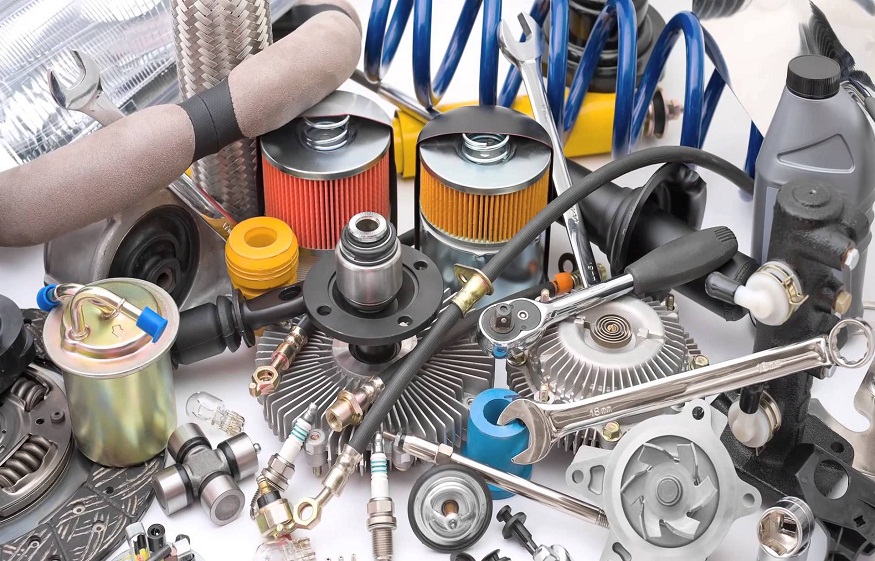
In reality, the engine light can also come on simply because the gas cap isn’t screwed on properly or the car’s engine is overheating. Additionally, you may need to change the brake fluid or the spark plugs.
6. Paint and bodywork
It requires applying multiple coats with a spray gun, which generates clouds of paint that must be directed correctly. Therefore, you must be well-trained to perform this task. Furthermore, it is essential to have the right tools for this paint job, as most of the fumes are toxic. If you don’t have the right tools, you risk serious respiratory problems. It’s only natural to want to save a few dollars by doing the repair yourself; however, this task should only be left to professionals.
7. Restoration of the air conditioning system
Modern vehicles are equipped with an extremely complex air conditioning system that requires a keen eye. The repair process is long, tedious, and nearly impossible for an amateur. When the air conditioning stops working, you should take it to a qualified mechanic who will determine the best course of action.
Additionally, the air conditioning system is connected to other parts of the vehicle that are equally delicate. Therefore, if you perform an incorrect repair, the air filter may be damaged, and other repercussions will follow.
Transmission fluid is also a delicate component.
Even qualified professionals often struggle to replace a faulty engine with a new one. Cars are expensive, however. It’s always better to replace your car’s engine than to buy a new one.It is therefore always better to contact a professional first, otherwise you risk doing more harm than good.
Conclusion
A professional should handle vehicle maintenance practices regarding the transmission and brakes, for example. Before attempting any DIY car repair, it’s essential to understand the consequences of a failed attempt. Whether the brake pads are misbehaving or there’s a problem with the braking system, only a skilled mechanic can help you fix it. Furthermore, taking the vehicle to a professional also helps extend the engine’s lifespan. For a complete overhaul of your car, it’s best to consult a qualified professional.