







Where does automotive leather come from?
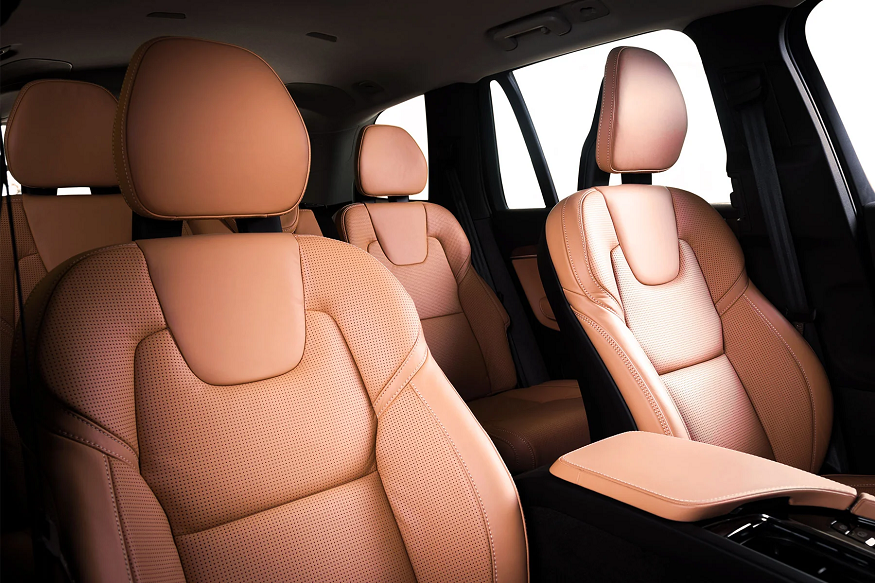
If the vehicle is a luxury vehicle, it generally uses genuine leather, which comes from animal skin . Leather is primarily made from cowhide, but there are also leathers from calves, horses, lambs, goats, and even pigs. However, many eco-conscious car brands are now moving away from animal leather for their seats and are increasingly using faux leather: imitation leather, vegan leather, or cork
The Different Types of Genuine Automotive Leather
The leather manufacturing process includes chrome salt tanning, which preserves the hide, liquefaction, to make the leather soft, strong, and flexible, and finally dyeing. To be transformed into car seats, the leather is then split to make it quite thin. Finally, automotive leather is distinguished according to its finish: pigmented, aniline, or semi-aniline.
Pigmented automotive leather
Pigmented leather is distinguished by the synthetic layer that covers its skin. Pigmented leathers come with a more or less thick synthetic layer depending on the manufacturer’s wishes: very thick layers protect the leather and give it a long lifespan, while thinner layers preserve a natural feel
Generally, this second type of pigmented automotive leather is more expensive and more difficult to maintain. Automotive leather care training often offers courses on maintaining this high-end type of leather. Pigmented leather is very common in luxury vehicles because of its numerous pigmentation options and the exceptional quality of the finished product.
Aniline leather
As a result, the leather is very fragile: susceptible to scratches or liquids. Aniline leather is very common in luxury automobiles prior to the 1970s, but it was eventually abandoned in favor of pigmented leather. The restoration techniques for this type of leather are the same as for pigmented leather, although the skilled detailer will often add a protective layer to make their work durable.
Semi-aniline leather
As you can see, the protective layer is a determining factor for automotive leather. Between a thick protective layer and no protection at all, semi-aniline leather offers a compromise that is highly sought after by lovers of luxury vehicles. Indeed, semi-aniline leather offers a very thin layer of protection: the feel and appearance of natural leather remain intact while providing long-lasting protection.
To achieve optimal results, the protective layer must be free of defects. This is why cars with semi-aniline leather seats are often the most expensive. For this type of seat, leathers with no stains are often used to achieve a uniform patina that is highly sought after by luxury consumers.
Faux automotive leather
Automotive leather detailing courses are increasingly focusing on the care of these increasingly ubiquitous types of leather. Most commonly, faux automotive leather is made of PU (polyurethane) or PVC.
The finish of these types of leather can be modified by changing the manufacturing process: shiny, matte, uneven finish like natural leather… Since faux automotive leather is not porous , it hardly breathes. The advantage? It hardly cracks and requires very little maintenance. You can sometimes find automotive leather made from cork (compressed oak) but this is rarer.
How to properly maintain your car leather?
Why not take a car leather training course ? Located in the Paris region, Formation Detailing offers quality training for those who want to become professional detailers. Cleaning, polishing, buffing, and maintaining leather upholstery are just some of the things we offer.
Interested in leather? Read the article on products to use to maintain your car
For those looking to learn more about caring for and repairing worn materials, discover how to effectively renovate scratched sofa leather , with practical tips and techniques.
To maintain their shine, it’s essential to know how to repair your car’s leather if it’s worn or cracked. Discover the best techniques in this detailed guide .
Each type of leather requires specific care. For Colourlock car leather care tailored to each finish, discover our full article here .
Each type of leather requires a specific approach: this ultimate guide to mastering leather restoration with Colourlock products details the best methods for each material.